Old family photographs, letters, postcards, newspaper clippings, and keepsakes can look ordinary when they are sitting in a drawer or box. But over time, these materials become part of a community’s historical record. For Duarte families, personal collections may hold valuable details about neighborhoods, schools, churches, businesses, citrus groves, Route 66, civic events, family homes, and everyday life in the San Gabriel Valley.
The challenge is simple: family history can fade faster than people expect. Photographs can curl, stain, crack, or stick together. Letters can become brittle. Ink can fade. Names and dates can be forgotten. Digital photos can disappear when phones break, accounts are lost, or files are never backed up. Preserving these memories now helps future generations understand not only their own family story, but also the story of Duarte itself.
The Duarte Historical Society & Museum exists to help keep local history alive. While national history is often recorded in books and major archives, local history depends heavily on the care of residents. A photo from a family album may show a street, storefront, school group, parade, citrus grove, or home that no longer exists. That image may become important evidence of what Duarte once looked like.
Why Family Collections Matter to Duarte History
Many people underestimate the value of their personal materials. They may assume that only famous people, major events, or official government records count as history. In reality, museums and historical societies often rely on everyday materials to tell a fuller story of community life.
A family photograph can show clothing, architecture, signs, roads, cars, trees, schools, businesses, and social customs. A letter can reveal how people communicated, worked, traveled, celebrated, and responded to change. A postcard can show how a place wanted to be seen. A newspaper clipping can document local events that may not be easy to find online.
Small details can become important records
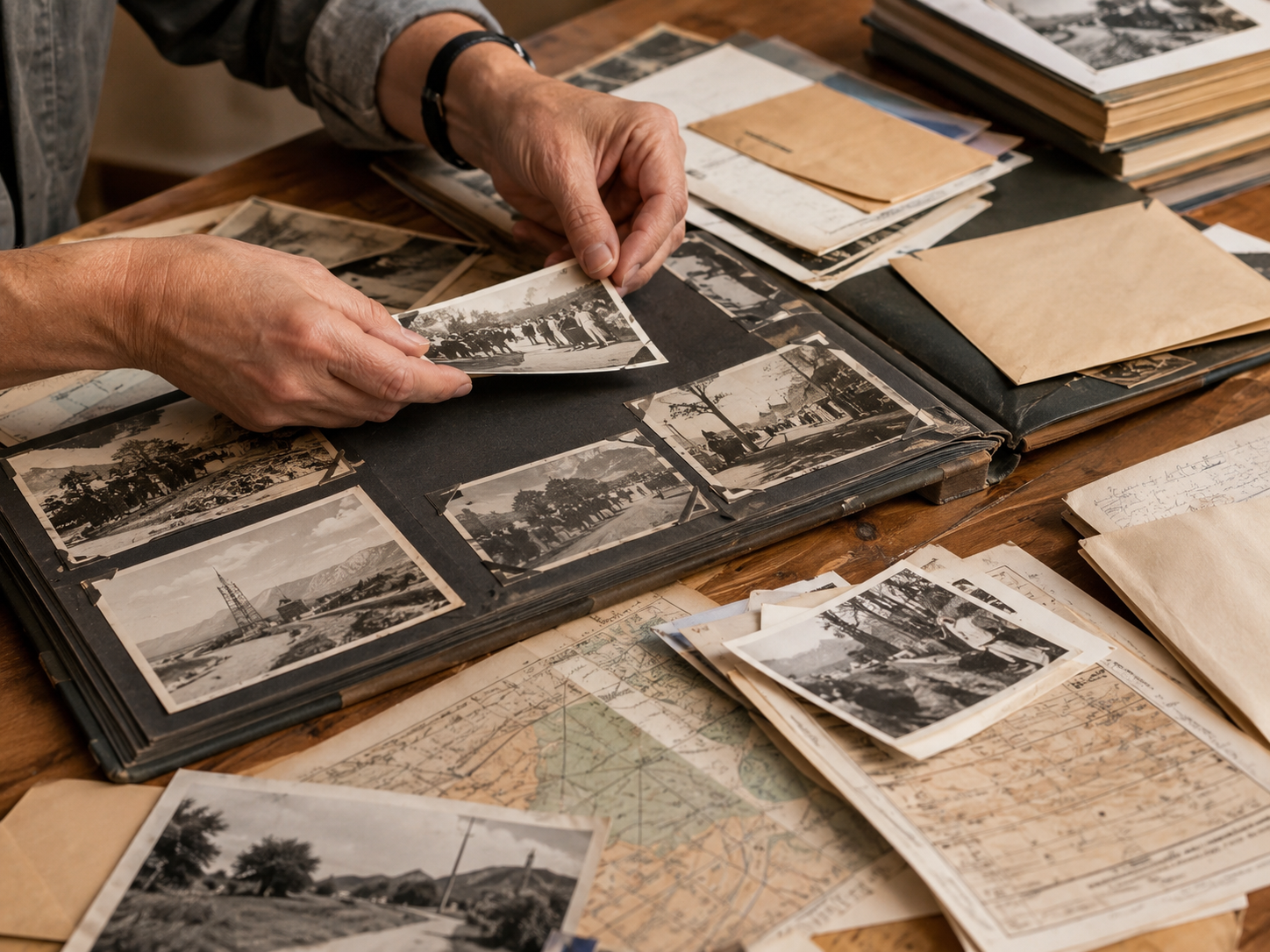
The most useful historical materials are not always the most polished. A faded photo of a house may help identify a neighborhood. A school program may list names that are missing from other records. A parade photo may show local organizations, uniforms, signs, and businesses. A handwritten note on the back of a photograph may confirm a date or location.
For Duarte, these small details can support research about Rancho de Duarte, citrus heritage, Huntington Drive, Route 66, local families, schools, churches, clubs, and civic life. They can also help younger residents understand that history is not separate from them. It is connected to their streets, families, and community spaces.
Do not wait until the story is lost
One of the biggest risks in family history is waiting too long. A photograph without names, dates, or places can still be beautiful, but it becomes harder to use as a historical record. When older relatives pass away, many details may disappear with them. That is why the best time to identify old materials is now.
Start by asking simple questions: Who is in this photo? Where was it taken? What year might it be? What event was happening? Is a building or street shown? Was this connected to a school, church, business, military service, local club, or family celebration?
Write down what people remember
Do not rely only on memory. Write down names, dates, locations, and stories. Use a soft pencil on the back edge of modern photo sleeves or write notes on separate archival paper. Avoid writing directly on fragile photographs, and never use tape, glue, sticky notes, or permanent marker on original materials.
If several family members remember different details, record those differences instead of forcing one answer. Uncertain information can still help future researchers. A note such as “possibly taken near Huntington Drive in the 1940s” is better than leaving the photo unidentified.
How to Protect Photos, Letters, and Keepsakes at Home
Good preservation begins with preventing damage. You do not need a museum storage room to care for family materials, but you do need to avoid the most common hazards: heat, moisture, direct sunlight, pests, rough handling, and poor storage materials.
Store photographs and papers in a cool, dry, stable location inside the living area of the home. Avoid garages, sheds, damp basements, and hot attics. These spaces can expose materials to extreme temperatures, humidity, insects, rodents, leaks, and dust. A closet inside the home is usually safer than a garage shelf.
Handle old materials with care
Before handling old photographs or documents, wash and dry your hands. Handle photos by the edges when possible. Keep food and drinks away from the table. Work on a clean surface. If something is stuck, folded, curled, or fragile, do not force it open. Damage often happens when people try to “fix” old materials too quickly.
Separate items gently when it is safe to do so. Use acid-free folders, archival sleeves, or photo-safe boxes when available. Keep original envelopes or labels if they help identify people, dates, or places. Even if the envelope is worn, it may contain clues that are important to the story.
Protect materials from light
Light can fade photographs, ink, fabrics, and paper. Avoid displaying original family photos in direct sunlight. If you want to frame something important, consider displaying a high-quality copy and storing the original safely. This allows the family to enjoy the image without exposing the original to long-term damage.
For especially meaningful photos or documents, digitize the item and use the digital copy for sharing, printing, or display. The original should be kept in stable storage, away from light and unnecessary handling.
Digitize, organize, and back up
Scanning is one of the best ways to make family history easier to share. A digital copy does not replace the original, but it can protect access if the original becomes damaged or difficult to handle. Scan important photographs, letters, certificates, maps, postcards, and newspaper clippings at a clear resolution. Save files with useful names that include dates, people, places, or subjects when known.
For example, instead of naming a file “IMG_0047,” use a descriptive file name such as “duarte-family-home-huntington-drive-1958.” This makes the image easier to find later. Keep at least two backups in different places, such as an external drive and a trusted cloud account. Digital preservation is not only about scanning; it is also about keeping files organized and accessible over time.
When to share materials with a local museum
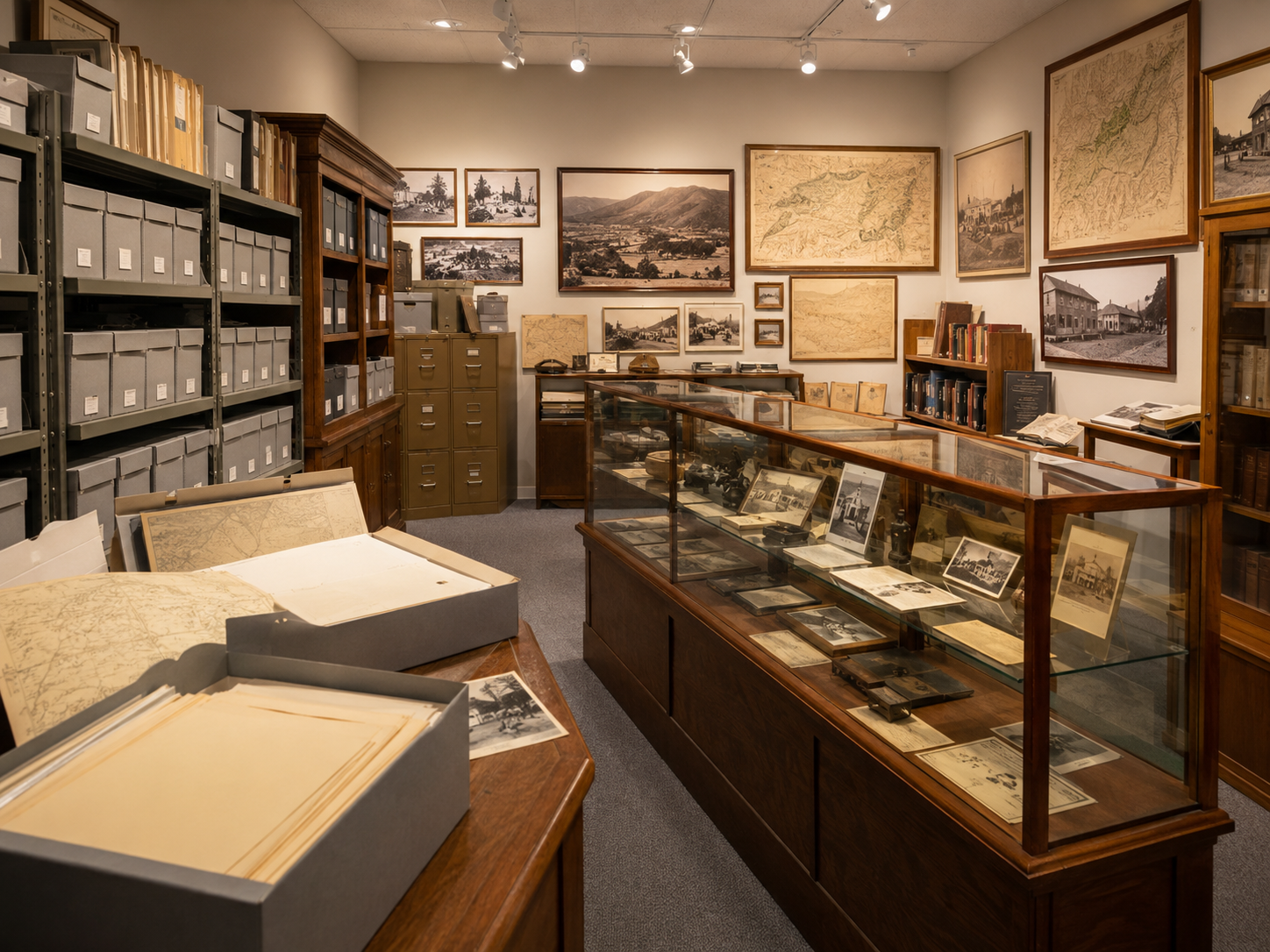
Not every family item needs to be donated to a museum, but some materials may have strong local value. Photos of old Duarte streets, businesses, schools, events, churches, citrus groves, Route 66 scenes, community leaders, military service, civic groups, or historic homes may help preserve the city’s public memory.
If you have materials that may connect to Duarte history, consider contacting the museum before discarding anything. The Contact Us page is a good starting point. You can also explore the Photo & Video Gallery and Exhibits & Collections to better understand the types of local materials that help tell Duarte’s story.
Residents who want to support preservation work can also visit the Membership & Donations page. Memberships, donations, volunteer support, and shared stories all help historical societies continue their work.
For additional preservation guidance, the National Archives guide to preserving family archives is a useful authority resource for caring for family papers and photographs.
Preserving family history does not have to be complicated. Start with one box, one album, or one drawer. Identify what you have. Write down what people remember. Store materials safely. Scan important items. Share copies with relatives. Contact the museum if something may help document Duarte’s history.
Every community depends on people who choose to save its stories. Duarte’s history is not only found in official records. It is also found in family albums, handwritten notes, school programs, local photographs, and memories passed from one generation to the next. By protecting those materials today, residents help keep Duarte’s story alive for tomorrow.