Every city name carries a story. Some names come from geography, some from early settlers, some from Indigenous languages, and some from families whose lives became tied to the land. Duarte, California is one of those places where the name itself opens the door to a deeper local history.
Today, Duarte is a modern San Gabriel Valley city with neighborhoods, schools, parks, trails, local businesses, and a strong community identity. But the name Duarte reaches back to the Mexican rancho era, when land grants shaped much of Southern California. Understanding that origin helps residents and visitors see the city with new eyes.
The story begins with Rancho Azusa de Duarte, a historic land grant associated with Andrés Avelino Duarte. Over time, that rancho was divided, sold, developed, and transformed. Yet the Duarte name remained. It became more than a family name. It became a place name, a civic identity, and a thread connecting the modern city to earlier generations.
For anyone exploring Rancho de Duarte History, this is one of the most important stories to understand. The city’s name is not just a label on a map. It is a reminder of land, settlement, change, memory, and preservation.
The Rancho Roots of Duarte’s Name
Before Duarte became a city, the land was part of a much larger historical landscape. The San Gabriel Valley had already been shaped by Indigenous communities, Spanish mission influence, Mexican California, ranch lands, agriculture, and later American settlement. Each period left marks on the land and on the way people understood place.
Rancho Azusa de Duarte was part of this layered history. The rancho era changed how land was owned, named, divided, and remembered. These grants were not small properties. They often covered thousands of acres and later became the foundation for towns, roads, farms, estates, neighborhoods, and city boundaries.
Who was Andrés Duarte?
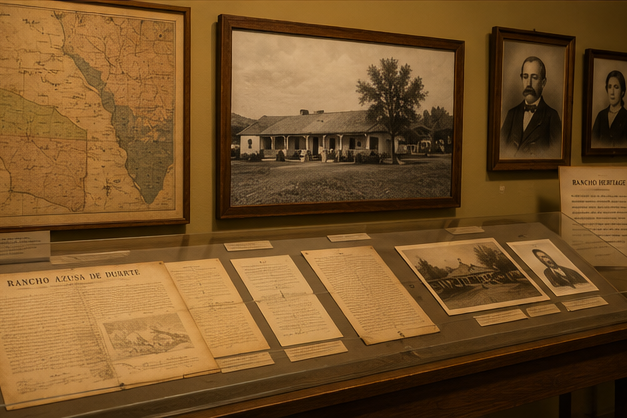
Andrés Avelino Duarte was connected to the Mexican military and the San Gabriel Valley before his name became attached to the rancho. His land grant became known as Rancho Azusa de Duarte, linking his family name to the wider Azusa-area landscape. The name “Duarte” survived because the land, the family, and the community story became closely connected.
For modern residents, it is easy to hear the word Duarte only as the name of a city. But historically, it points back to a person, a land grant, and a period when Southern California looked very different from today. Roads, property lines, schools, and civic boundaries came later. The rancho came first.
A name tied to land and memory
Place names matter because they help communities remember. A name can preserve a person, a landscape, a language, or an event long after buildings and boundaries have changed. Duarte’s name keeps part of the rancho story visible, even for people who may not yet know the details.
This is why local history is so important. Without museums, archives, maps, photographs, and community research, a place name can become disconnected from its meaning. The Duarte Historical Society & Museum helps restore that connection by preserving the materials and stories that explain how Duarte became Duarte.
The rancho was larger than the modern city
The original rancho story does not stop at the borders of today’s Duarte. Historic rancho boundaries often crossed what later became multiple cities and neighborhoods. As land was sold and divided, new communities emerged. Modern city lines do not always match the older land stories beneath them.
That is one reason Rancho de Duarte history is useful beyond Duarte itself. It connects the city to the larger San Gabriel Valley. It also helps explain why regional history often overlaps between nearby communities such as Monrovia, Bradbury, Azusa, Irwindale, Arcadia, and Baldwin Park.
How Rancho de Duarte Became a Modern Community
The transformation from rancho land to modern city did not happen all at once. It unfolded through land sales, agriculture, transportation, families, schools, civic efforts, and community development. Duarte’s story includes the rancho past, but it also includes the people who built neighborhoods, planted groves, opened businesses, started schools, joined civic groups, and worked to create a stronger community.
Citrus agriculture played a major role in shaping Duarte’s local identity. The San Gabriel Valley became known for groves, packing houses, irrigation, and agricultural communities. For many families, citrus was not just an industry. It was part of daily life. It shaped work, land use, family income, neighborhood development, and the look of the community.
From land grant to citrus community
As the rancho was divided and sold, the land became available for smaller farms, homes, and community development. Duarte’s climate, soil, and location helped support agriculture, especially citrus. Over time, groves became one of the defining images of the area.
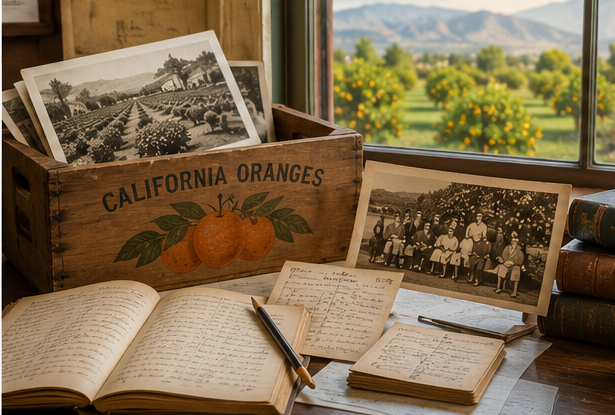
Old photographs, family records, maps, and citrus-related artifacts help tell that story. A wooden citrus crate, a grove photograph, a packing label, or a family image in front of an orchard may seem small, but each item helps explain how people lived and worked in Duarte.
Visitors can explore this kind of local material through the museum’s Exhibits & Collections and related historical resources. These objects help connect a large historical process — the development of Southern California — to a specific place and community.
Huntington Drive and Route 66 added another layer
Duarte’s identity continued to evolve with transportation. Huntington Drive and the Route 66 corridor added a new chapter to the city’s story. Roads connected Duarte to nearby cities, travelers, businesses, and wider regional movement.
This is why the city’s history should not be viewed as only one timeline. Rancho history, citrus history, Route 66 history, civic history, and family history all overlap. A single street, photo, building, or map may tell more than one story at once.
Readers interested in the road history side of Duarte can also read Route 66 Duarte History: Remembering the Mother Road, which connects Huntington Drive to the larger Route 66 centennial story.
Why this history still matters today
Local history gives people a stronger sense of belonging. When residents understand the meaning behind the city’s name, they see familiar places differently. Parks, roads, trails, museum exhibits, and old photos become part of a larger story rather than disconnected pieces.
For students, Rancho de Duarte history can make California history more local and easier to understand. Instead of learning only about distant events, they can study how land grants, agriculture, transportation, and cityhood affected the place where they live.
For families, this history can encourage conversations. Longtime residents may remember old businesses, schools, parades, neighborhoods, groves, or streets that have changed. Those memories are valuable. They help fill gaps that official records may not fully capture.
For visitors, the story behind the name gives Duarte more depth. The city becomes more than a stop along a road or a place near the foothills. It becomes a community with a layered past and a museum working to preserve it.
How residents can help preserve the story
Preservation is not only the work of historians. Residents can help protect Duarte’s story by sharing photographs, identifying people in old images, recording family memories, donating relevant materials, attending programs, volunteering, and supporting the museum.
Anyone with old Duarte photographs, letters, maps, school items, citrus-related materials, Route 66 images, or family records should consider whether those materials might help document the city’s history. The blog How to Preserve Old Family Photos, Letters, and Duarte Memories Before They Fade offers practical guidance for caring for those items at home.
Visitors can also support preservation by becoming members, donating, or checking the museum’s Hours & Directions before planning a visit. Local history survives when the community values it enough to protect it.
For additional background from a public source, the City of Duarte history page provides helpful context about the city’s historical development and local museum.
Duarte’s name is a bridge between past and present. It connects the city to Rancho Azusa de Duarte, to Andrés Duarte, to citrus groves, to roads and schools, and to the families who shaped the community over generations. The modern city continues to change, but the name remains a reminder of where the story began.
To understand Duarte fully, start with the name. Then follow the story through the museum, the archives, the streets, the foothills, and the memories of the people who call Duarte home.