Route 66 is more than an old highway. For many communities across the United States, it is a symbol of movement, memory, opportunity, and change. In Duarte, California, that story runs directly through Huntington Drive, where local history, transportation, business life, and community identity have crossed paths for generations.
As Route 66 reaches its 100th anniversary in 2026, Duarte has a meaningful opportunity to look back at its own place along the Mother Road. National attention is returning to historic Route 66, but the most powerful stories are often local. They are found in neighborhood photographs, old storefronts, family memories, road signs, museum archives, and the everyday places that residents pass without always knowing their history.
The Duarte Historical Society & Museum helps preserve those local connections. Through exhibits, photographs, artifacts, newsletters, and community programs, the museum gives visitors a way to understand how Duarte’s story fits into the larger history of the San Gabriel Valley and the American West.
Why Route 66 Still Matters to Duarte
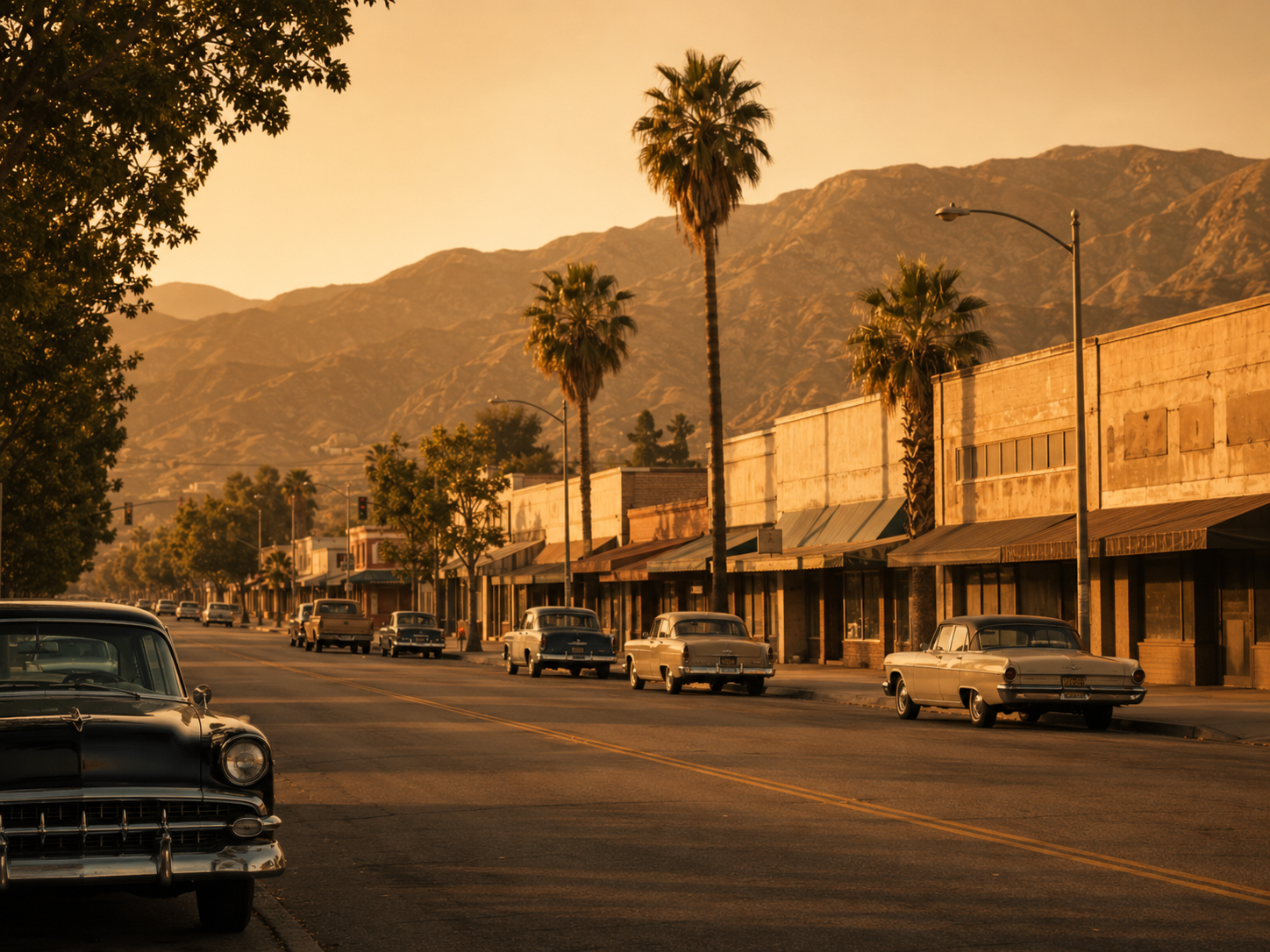
Route 66 became famous as the road that connected small towns, major cities, roadside businesses, families, migrants, tourists, and dreamers. It carried people westward, supported local economies, and helped create the visual culture of American travel: neon signs, gas stations, motels, diners, postcards, maps, and classic cars.
In Duarte, the Route 66 story is closely tied to Huntington Drive. For many residents, Huntington Drive is simply a familiar local road. But historically, it also served as part of a much larger transportation corridor that connected Duarte to nearby communities and to the broader Southern California region.
That is why the Route 66 centennial should not be treated as only a travel trend. It is also a local history moment. It gives Duarte residents, students, visitors, and longtime families a reason to ask important questions: What did Huntington Drive look like decades ago? What businesses served travelers? How did road culture affect Duarte’s development? What stories have been passed down by families who lived, worked, or owned businesses near the route?
A centennial moment for local history
The National Park Service is joining national commemorations for the 100th anniversary of historic Route 66, recognizing the road as an important symbol of 20th-century American life. For Duarte, that national milestone can become a local invitation: preserve more photographs, identify more stories, document more memories, and encourage more residents to visit the museum.
Centennials matter because they make people pause. A road that once felt ordinary suddenly becomes something worth studying. A family photo in front of an old storefront becomes more than a picture. A faded map becomes evidence of how people moved through the city. A sign, a postcard, or a newspaper clipping can reveal how Duarte presented itself to travelers and neighbors.
What visitors can look for on Huntington Drive
Visitors exploring Duarte’s Route 66 story can begin by paying closer attention to Huntington Drive. The road is not only a route from one place to another; it is part of the city’s memory. Look for the relationship between old commercial corridors, civic spaces, neighborhood streets, nearby foothills, and the museum itself. Even where buildings have changed, the geography of the old route still helps tell the story.
Route 66 history is strongest when people combine the physical road with archival research. That means looking at the street today, then comparing it with historic photographs, maps, local newsletters, and museum displays. This is where the Photo & Video Gallery and museum collections become especially useful.
More than a road sign
It is easy to reduce Route 66 to a logo, shield, or vintage design style. Those symbols are popular for a reason, but the real value of Route 66 is deeper. It tells a story about movement, business, migration, local pride, and changing communities.
For Duarte, Route 66 connects with several parts of local history. It intersects with the city’s growth, its relationship to neighboring San Gabriel Valley communities, its earlier agricultural identity, and its development into the community residents know today. The road also helps connect visitors to nearby stories of Rancho de Duarte, citrus heritage, civic life, schools, families, and local landmarks.
That connection is important because history does not live in separate boxes. The story of Route 66 is not separate from the story of Duarte families. It is not separate from local businesses. It is not separate from city growth, transportation changes, or community events. A good local museum helps connect those dots.
How the museum helps connect the dots
The Duarte Historical Society & Museum gives visitors a place to slow down and understand the city beyond the surface. Exhibits and archives can help explain how the community changed over time, what people valued, and how everyday life looked in earlier decades.
For someone new to Duarte, the museum is a starting point. For longtime residents, it can be a reminder that their own family memories are part of the city’s larger story. Students, it can turn a national topic like Route 66 into something local and understandable. Instead of learning only about a highway that crossed the country, they can learn about a historic route that passed through their own city.
Visitors who want more context can also explore official background from the National Park Service Route 66 Corridor Preservation Program, which highlights the national importance of the road and its centennial commemoration.
How to Explore Duarte’s Route 66 Story Today
The best way to experience Duarte’s Route 66 history is to combine three things: visit the museum, observe the local route, and connect what you see with archival material. This creates a richer experience than simply driving through.
Start with the Hours & Directions page before planning a visit. The museum is an important stop because it provides local context that online searches often miss. A national article may explain why Route 66 matters, but a local archive can show what that history meant to Duarte residents.
Start with the museum, then follow the local story
At the museum, visitors can look for displays related to early Duarte, Rancho de Duarte, civic life, transportation, local families, and community development. Even when an exhibit is not only about Route 66, it may still help explain the city that grew around the road.
After visiting the museum, continue the story by exploring Huntington Drive with a more historical eye. Notice how the road sits within the city. Think about how travelers would have experienced Duarte in earlier decades. Imagine the businesses, signs, cars, and people who once moved along this corridor before freeways changed the way Southern California traveled.
Families can make the experience more meaningful by bringing older relatives into the conversation. Ask what they remember about Huntington Drive, old businesses, parades, school events, city celebrations, or family trips. These conversations can become valuable oral history. A memory that feels small today may become important to future researchers.
Suggested local history route
A simple local history visit could begin at the Duarte Historical Society & Museum, continue toward Huntington Drive, and then connect with nearby points of interest, local trails, or community landmarks. Visitors interested in deeper history can also explore the Rancho de Duarte History page to understand the area before the road became famous.
This type of visit works well for residents, students, families, and history-minded travelers. It does not require a full road trip across the country. It only requires curiosity and a willingness to look at familiar places with fresh eyes.
Preserving the next 100 years
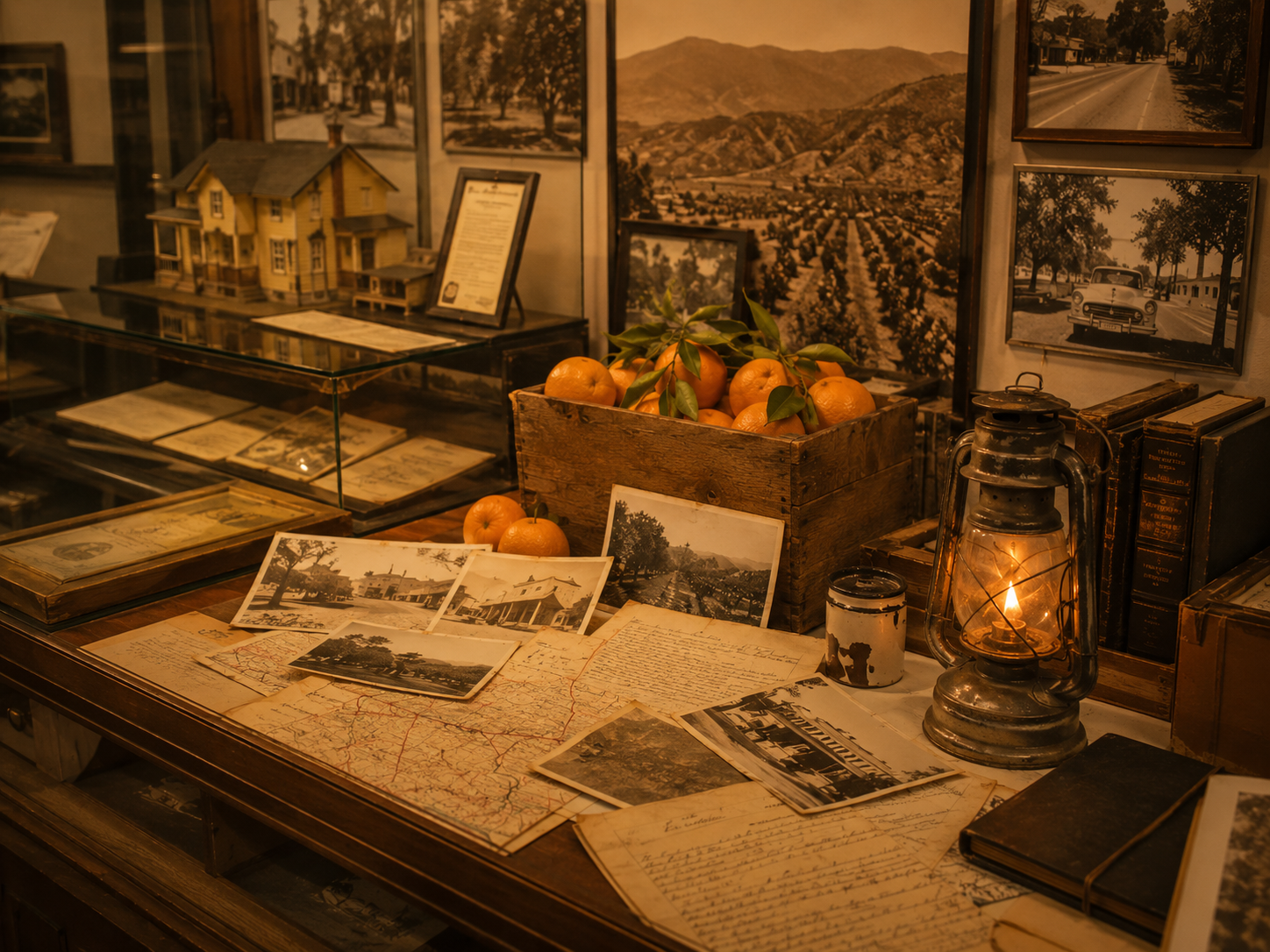
The Route 66 centennial is also a reminder that preservation does not happen by accident. Photographs can be lost. Letters can be thrown away. Signs can disappear. Buildings can be remodeled. Family stories can fade when they are not recorded.
Duarte’s next century of history depends on what the community chooses to save now. Residents can support preservation by visiting the museum, becoming members, donating materials, volunteering, attending events, or sharing family memories. The Membership & Donations page is a good place to begin for anyone who wants to help protect Duarte’s local heritage.
Route 66 may be known around the world, but its real meaning comes from places like Duarte. The Mother Road is not only about long-distance travel. It is about the communities that gave the road life. As the centennial brings renewed attention to this historic highway, Duarte has a chance to tell its own story clearly, proudly, and locally.
To learn more, visit the Exhibits & Collections, explore local photographs, and plan a visit to the Duarte Historical Society & Museum. The road is still here. The stories are still here. The next step is making sure they are remembered.