In 2026, the United States marks its 250th anniversary. Across the country, museums, schools, historic sites, archives, libraries, and local communities are using this national milestone to look back at the people, places, conflicts, achievements, and everyday stories that shaped American life. For Duarte, California, America250 is not only a national celebration. It is also an opportunity to look closely at the local history that gives the city its identity.
Big anniversaries often focus on famous national events, presidents, founding documents, battlefields, and monuments. Those stories matter, but they are only part of the picture. A nation is also built from local communities. It is built from families, ranch lands, roads, schools, churches, businesses, farms, civic organizations, neighborhoods, and the people who quietly preserve memory from one generation to the next.
That is where the Duarte Historical Society & Museum becomes important. The museum helps preserve Duarte’s place in the larger American story through photographs, documents, exhibits, artifacts, oral histories, publications, and community programs. In a year when many people are asking what American history means, local museums help make that question personal and real.
America250 Is Also a Local History Moment
America250 invites people to think beyond national headlines and look at how history happened in their own communities. Duarte’s story includes Indigenous history, Spanish and Mexican California, Rancho de Duarte, citrus agriculture, transportation corridors, Route 66, schools, local families, civic growth, and the development of a modern San Gabriel Valley city.
These stories do not sit apart from national history. They are part of it. When people study Duarte’s past, they are also studying land use, migration, agriculture, transportation, community building, local government, education, and cultural change. Those are national themes, but they become easier to understand when they are connected to familiar places.
From national history to neighborhood memory
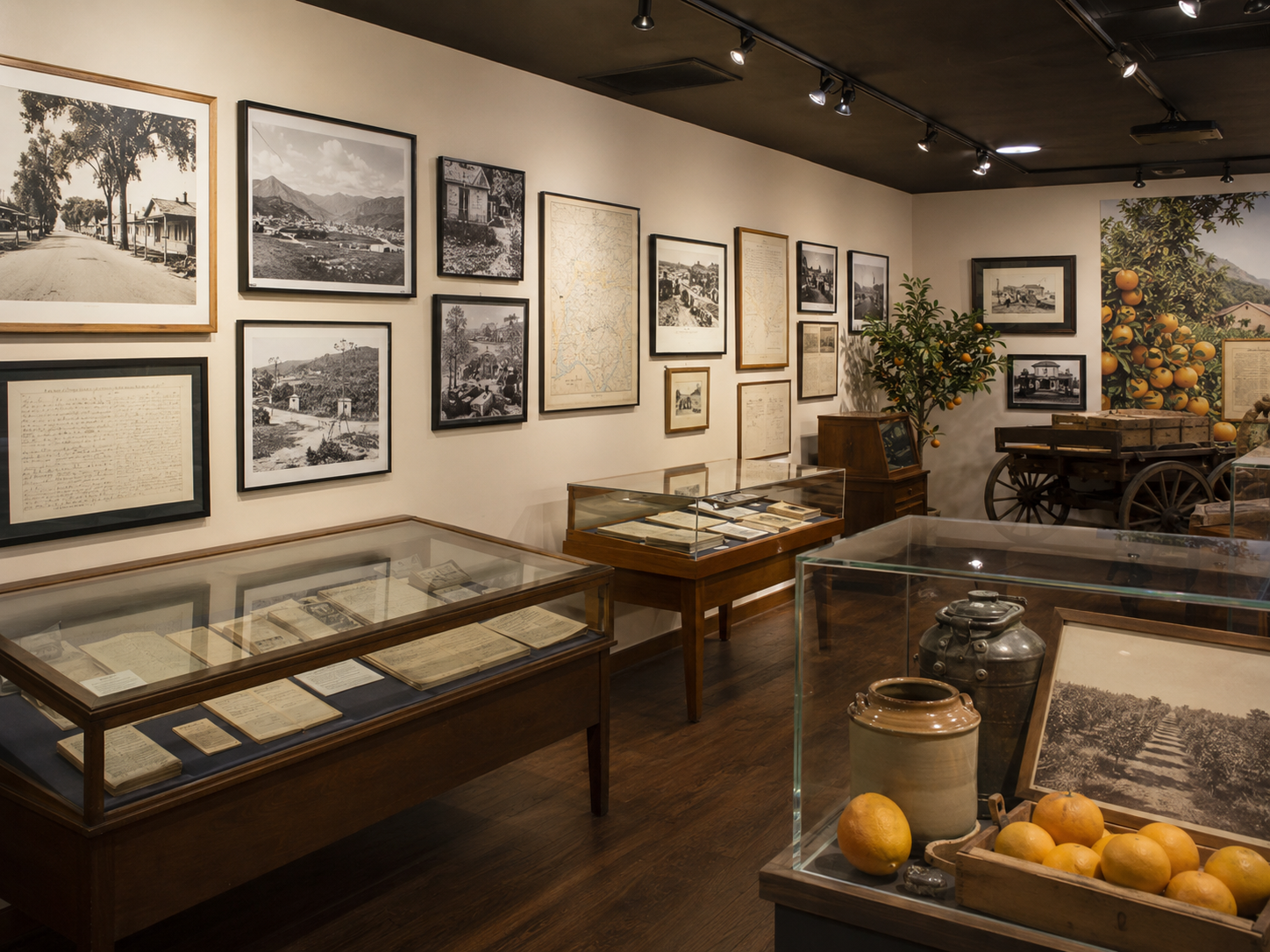
Many people first encounter history through textbooks, documentaries, or major museums. But the most meaningful history often begins closer to home. It can start with an old family photograph, a newspaper clipping, a handwritten letter, a school yearbook, a map, or a memory shared by a longtime resident.
In Duarte, these materials help explain how the community changed over time. They show what streets looked like before modern development. They reveal how families lived, worked, worshiped, studied, traveled, and celebrated. Also, show how larger changes in California affected one local city.
That is why local archives matter. Without them, the everyday details of community life can disappear. National history may remember large events, but local history remembers the people who lived through change on ordinary streets, in ordinary homes, and in ordinary workplaces.
Why small museums matter during big anniversaries
Small museums and historical societies have a role that large institutions cannot replace. They protect the details of place. A national museum can explain broad movements, but a local museum can show how those movements touched a specific community.
The Exhibits & Collections at Duarte Historical Society & Museum can help visitors connect national themes to local evidence. Photographs, documents, and artifacts can show how Duarte residents experienced transportation, agriculture, civic growth, education, and community life. These objects are not just old things; they are proof of lived history.
Duarte’s story belongs in the American story
Duarte’s history did not begin with modern cityhood. The land now known as Duarte has a deep and layered past. The area connects to Indigenous presence, Spanish colonial influence, Mexican California, ranch land, agricultural development, and later suburban growth in Los Angeles County.
The name Duarte itself connects the city to Rancho Azusa de Duarte and Andrés Duarte. That local origin story is important because it helps residents understand why the city carries its name and how land, identity, and settlement shaped the San Gabriel Valley. Visitors who want to explore that story more deeply should start with the Rancho de Duarte History page.
How Duarte Can Use America250 to Preserve More Stories
The most useful way to approach America250 is not only to celebrate the past, but to preserve more of it. Anniversaries create attention, but preservation requires action. Photographs must be identified. Letters must be saved. Documents must be organized. Stories must be recorded. Artifacts must be protected. Community members must be invited to participate.
This is especially important for local history because many valuable materials are still sitting in homes, garages, closets, albums, and boxes. A family may have photographs of an old Duarte business, a school event, a parade, a church gathering, a citrus grove, or a neighborhood street. Those images may feel personal, but they can also help complete the city’s public memory.
Family photos and personal archives are part of public history
One of the biggest mistakes people make is assuming their family materials are not historically important. A photo of grandparents in front of a house, children walking to school, a business opening, a local parade, or a family car on Huntington Drive may not seem rare at first. But over time, these materials become evidence of community life.
Local museums depend on these details. They help researchers understand clothing, architecture, streetscapes, transportation, local businesses, social life, and community events. They also help future generations see themselves as part of a continuing story.
If residents have old Duarte photographs, documents, postcards, newsletters, maps, or objects, America250 is a good reason to sort through them. Label names, dates, locations, and stories while people still remember them. A photograph without context is useful, but a photograph with names and stories is far more valuable.
What residents can do now
Duarte residents can help preserve local history in practical ways. They can visit the museum, become members, volunteer, attend events, share memories, identify people in old photographs, and support preservation work. They can also talk with older relatives and record stories before details are forgotten.
Anyone who wants to help can begin with the Membership & Donations page or plan a visit through Hours & Directions. Local history survives when people treat preservation as a shared responsibility, not just the work of historians.
Students, families, and visitors can make history active
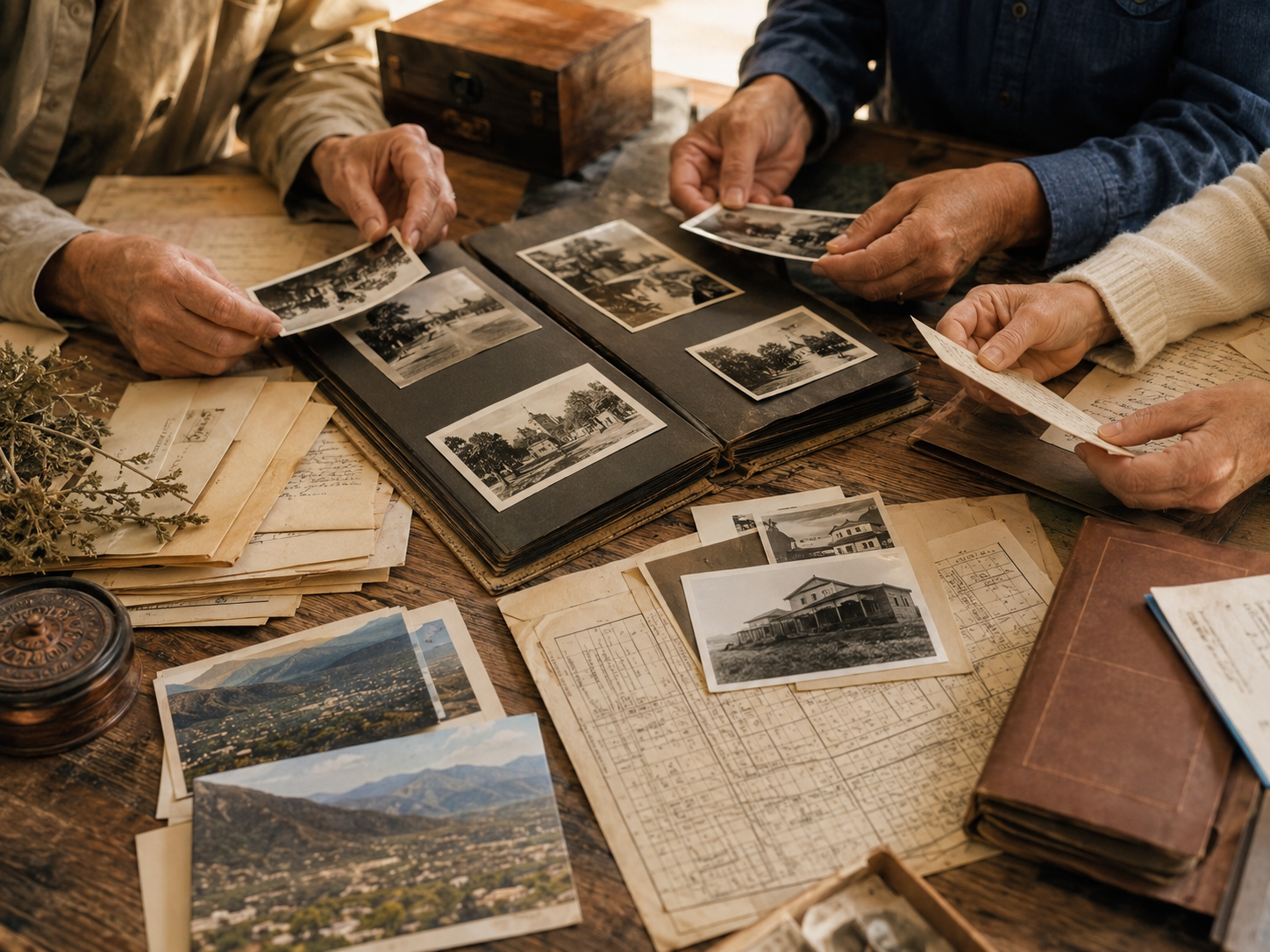
America250 is also a strong opportunity for students and families. Instead of treating history as something distant, teachers and parents can help young people connect national history to Duarte’s local places. A visit to the museum, a walk near historic routes, a review of old photographs, or a conversation with a longtime resident can make history feel alive.
Students can ask questions such as: What did Duarte look like 100 years ago? How did people travel? What businesses served the community? What role did citrus agriculture play? How did Route 66 and Huntington Drive affect local movement? How did schools, civic groups, and families shape the city?
These questions turn history into investigation. They also help younger generations understand that history is not only something already written. It is something communities continue to document and interpret.
A year to visit, learn, and contribute
As the country reflects on 250 years of history, Duarte has a chance to tell its own story with care and pride. The best way to participate is simple: visit the museum, explore the archives, attend programs, share family memories, and support local preservation.
Visitors can also explore the Photo & Video Gallery, check upcoming Events & Speaker Series, and learn about nearby Trails and local points of interest. Together, these resources show that Duarte’s history is not limited to one building or one page. It is part of the landscape, the community, and the memory of the people who call Duarte home.
For broader national context, the Smithsonian’s Our Shared Future: 250 project offers a useful example of how institutions are using the anniversary to reflect on the nation’s past and future. Duarte can do the same at the local level by preserving the stories that make this community distinct.
America250 should remind us that national history is built from local history. Duarte’s photographs, artifacts, families, roads, schools, citrus groves, and community memories are part of the larger American story. Preserving them now ensures that future generations will not only know what happened across the country, but also what happened here at home.